Our Impact
AIDA Health Solution
At AIDA Health Solution, we are proud to be among the first organizations in Somalia and Somaliland to introduce structured biomedical waste segregation and infection prevention systems. Our impact is not measured in scale—but in the safety we bring to each hospital corridor, and the protection we extend to every nearby street, home, and waterway.
We believe Infection Prevention and Control (IPC) begins inside hospital walls—but it must continue far beyond. That’s why our work spans from patient bedsides to incinerator sites, from hand hygiene to environmental health.
Safer Hospitals Start Here
In regions like Bosaso and Hargeisa, we’ve worked side-by-side with health facilities to plant the seeds of better IPC practices—starting with what’s available, and building systems from the inside out.
Key Actions:
- Led tailored IPC training programs for clinical and cleaning staff in select hospitals.
- Introduced hospital readiness assessment tools to help facilities identify sanitation risks and strengthen internal policies.
- Piloted faith-aligned dress codes to promote infection control while honoring Islamic values and community expectations.
- Launched IPC Champion programs, empowering frontline workers to take the lead in their own settings.

First in Waste Segregation & Biomedical Waste Management
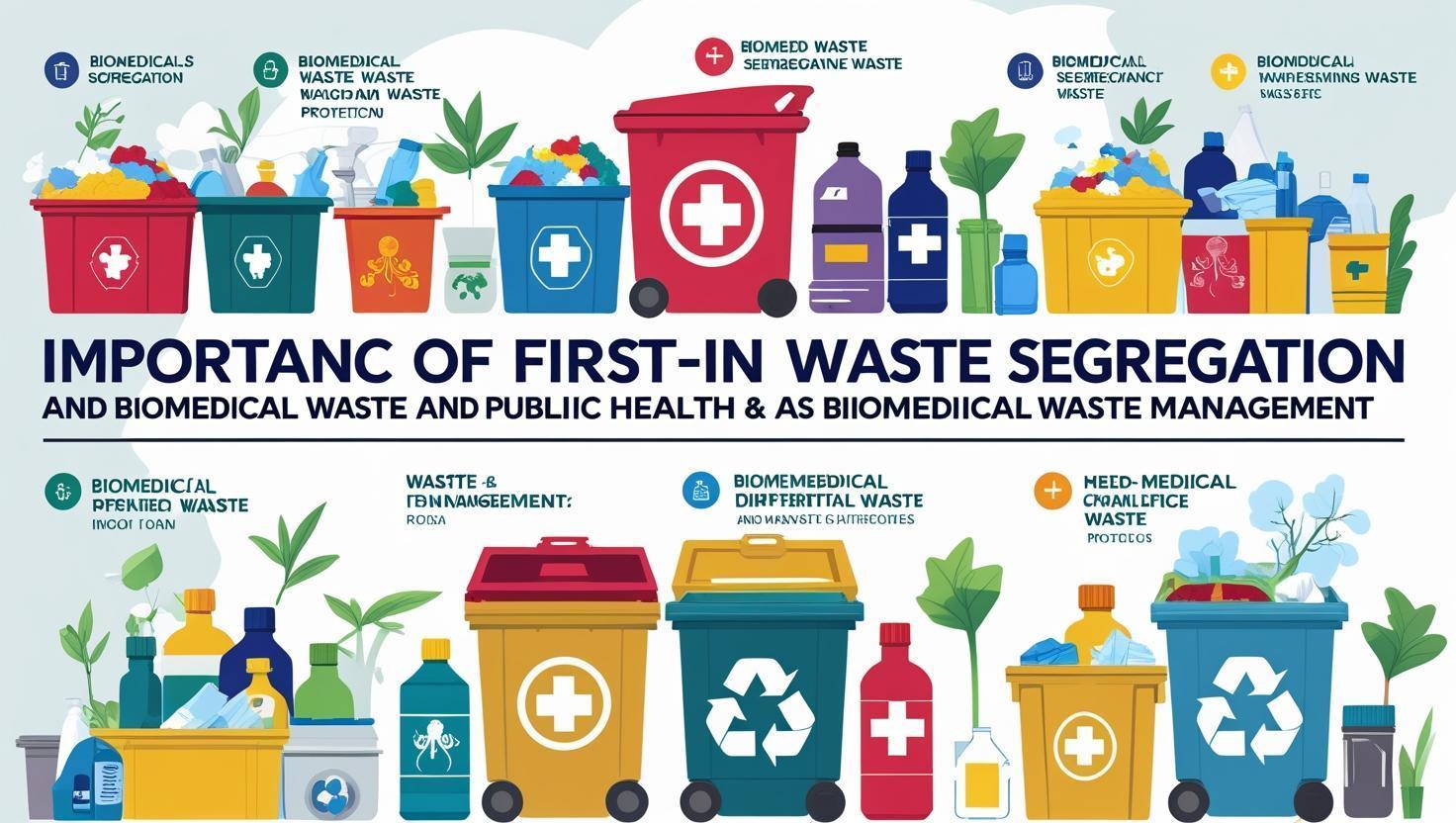
We are proud to be pioneers in establishing the first formal biomedical waste segregation and disposal efforts in both Somalia and Somaliland. In places where infectious waste was once openly burned or dumped near homes, we now help implement safe and culturally acceptable systems.
Key Milestones:
- Initiated color-coded waste segregation systems in hospitals across Bosaso, Mogadishu, and Hargeisa—a first in the region.
- Built and supported the operation of licensed incineration facilities in Bosaso and Somaliland, servicing nearby public and private hospitals.
- Developed visual SOPs and waste flow maps used by nurses and cleaners to safely dispose of sharps, PPE, and other medical waste.
- Trained hospital staff on waste handling, leading to improved safety and reduced environmental contamination.
Connecting Communities to Cleaner Environments

Our commitment doesn't stop at the hospital exit. We work with communities—especially those living near clinics, markets, and informal settlements—to raise awareness, reduce exposure risks, and create a shared sense of health responsibility.
Community Actions:
- Organized public health sessions on waste risks, hygiene, hepatitis, and safe disposal practices.
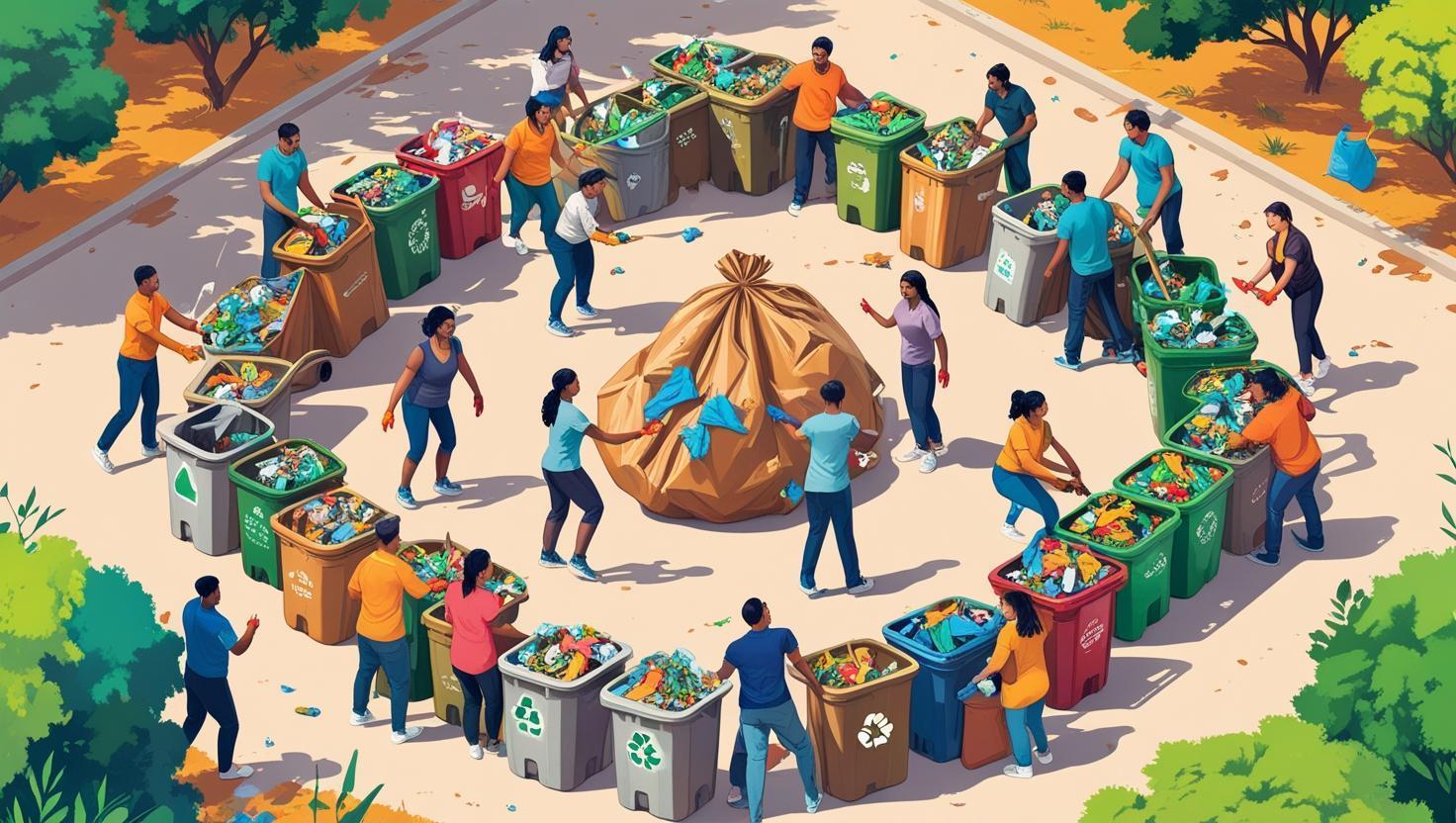
- Supported local cleanup brigades—often led by women and youth—to remove waste from public areas and reinforce safe hygiene messages.
- Worked with barbers, mosque leaders, and IDPs to prevent the everyday spread of infection in non-clinical settings.
Improper disposal of biomedical waste doesn’t just harm patients—it poisons ecosystems, pollutes air and water, and endangers future generations. AIDA promotes an environmental lens in every project we deliver.
Environmental Focus:
- Developed guidance on waste risk zones near rivers, wells, and agricultural land.
- Encouraged use of heat-efficient incinerators to minimize emissions and improve ash disposal practices.
- Promoted sustainable waste collection logistics that reduce illegal dumping and protect sanitation workers.
From Groundwork to Governance

Even in our early stages, AIDA plays a unique role in bridging local hospital needs with national policies. We help government bodies and healthcare partners make sustainable, faith-sensitive decisions that reflect the communities they serve.
Policy & System Contributions:
- Supported early drafts of waste and IPC policy guidelines for hospitals and clinics.
- Provided expert input into Somalia’s AMR strategy and training curriculum development.
- Advocated for IPC and waste handling to be seen as core skills in public health education.
Looking Forward
What began as a focused effort in a handful of hospitals in Bosaso, Mogadishu, and Hargeisa, is now becoming a blueprint for what’s possible across East Africa. We’re not just filling a gap—we're helping transform how health and environment are connected in fragile contexts.
With every PPE bin placed, every cleaner trained, and every hospital engaged, AIDA is proving that even in difficult settings, safety is possible—and dignity is non-negotiable.

Expanding the Vision Across East Africa
What began as a focused effort in a handful of hospitals in Bosaso, Hargeisa, and Mogadishu has grown into something far more powerful—a working blueprint for what’s possible across East Africa.
We didn’t just step in to fill a gap—we stepped up to reimagine how hospitals, communities, and environments can work together for a safer, healthier future. From segregating medical waste to empowering nurses, from building incinerators to building trust—every action we take reflects a deeper vision.
In fragile contexts where systems are stretched thin, AIDA is proving that change is possible—when solutions are local, leadership is inclusive, and dignity is non-negotiable.
Course Quality
“"I’ve tried many services before, but this one stood out for its attention to detail and genuine customer care. My project was handled with precision and creativity."”
Juhn
Course Quality
“"Professional, reliable, and truly committed to quality. From start to finish, everything was smooth and stress-free. I’ll definitely be coming back!"”
Ahmed
Course Quality
“"Working with this team has been an absolute game-changer. They understood my needs perfectly and delivered more than I expected. I can’t recommend them enough!"”
Bob